.png)
Who Needs Motivational Speakers? An Expert Perspective from Dave Blake

Updated: Aug 4, 2025
Introduction
As someone who has spent over twenty years traveling the world as a motivational speaker, I’ve been asked a simple question more times than I can count: Who really needs motivational speakers? It’s a fair question, and one that deserves a thoughtful answer, especially in a world where inspiration is just a click away and attention spans are shorter than ever.
My name is Dave Blake, and I’ve dedicated my career to helping people and organizations unlock their full potential. I’ve spoken in boardrooms and classrooms, on sports fields and in community centers. I’ve seen firsthand the difference a well-timed message can make, not just in boosting morale for a day, but in sparking real, lasting change.
In this article, I’ll draw on my experience and expertise to answer the question: Who needs motivational speakers? I’ll go beyond the surface, sharing stories, research, and practical insights that you won’t find in generic blog posts. Whether you’re a business leader, educator, coach, nonprofit director, or someone facing a personal crossroads, my goal is to show you how the right message, delivered at the right time, can be a catalyst for transformation.
Let’s start by clarifying what a motivational speaker actually does and why it matters.
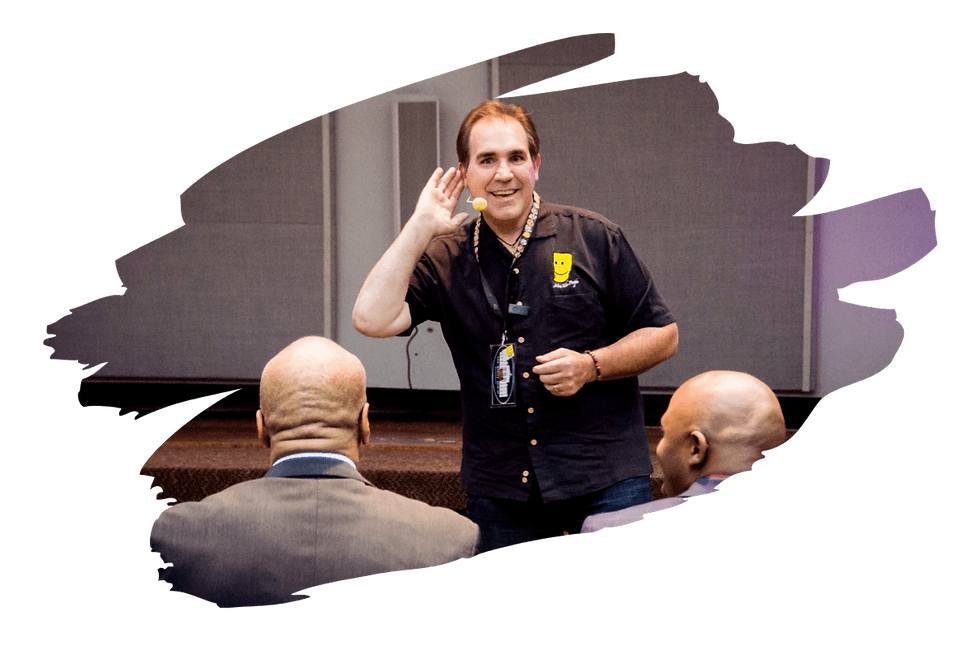
Understanding the Role of a Motivational Speaker
The best motivational speakers don’t just energize, they provide the power to act. Through storytelling, real-life examples, and science-based techniques, speakers like myself help audiences reframe obstacles and rediscover purpose. This isn’t just about a positive mindset; it’s about helping people achieve the next level of performance and growth.
What Does a Motivational Speaker Really Do?
At its core, the role of a motivational speaker is to ignite change. This change might be personal, helping an individual overcome self-doubt or set new goals. It might be collective, helping a team rediscover its purpose, or an organization navigate a period of transition. The best motivational speakers don’t just inspire; they equip their audiences with practical tools and strategies to turn inspiration into action.
In my own work, I blend storytelling, research, and actionable advice. I draw on my background in psychology and leadership development, as well as my own life experiences, both successes and failures. My goal is always the same: to help people see new possibilities, challenge their assumptions, and take meaningful steps forward.
The Power of Storytelling
One of the most powerful tools in a motivational speaker’s toolkit is storytelling. Stories have a unique ability to cut through noise and connect with people on an emotional level. I’ve seen audiences moved to tears by a story of resilience, or erupt in laughter at a tale of overcoming adversity. But more importantly, I’ve seen how stories can shift mindsets and spark action.
For example, I once spoke to a group of young professionals who were struggling with imposter syndrome. Instead of launching into a list of tips, I shared my own story of self-doubt early in my career, the mistakes I made, the lessons I learned, and the mentors who helped me along the way. By the end of the session, several attendees approached me to say they finally felt seen and understood. That’s the power of a well-told story: it bridges the gap between speaker and audience, making change feel possible.
Beyond Inspiration: The Importance of Action
Inspiration is important, but it’s not enough on its own. The best motivational speakers leave their audiences with concrete steps they can take, whether that’s a new way of thinking, a practical tool, or a challenge to try something different. I always encourage my audiences to set specific goals and hold themselves accountable. After all, motivation is the spark, but action is the fuel that keeps the fire burning.
Distinguishing Motivational Speakers from Other Experts
It’s also important to distinguish motivational speakers from other types of experts. Consultants, trainers, and coaches each play valuable roles, but a motivational speaker brings something unique: the ability to shift mindsets quickly and powerfully. While a consultant might analyze your business processes, and a coach might work with you one-on-one over time, a motivational speaker can create a moment of clarity and momentum that propels people forward.
The Psychology of Motivation: Why It Matters
Both intrinsic and extrinsic motivation play critical roles in human behavior. But even the most driven individuals sometimes need an external voice to remind them of their potential. The power of a professional motivational speaker lies in the ability to create an emotional connection and provide practical tools audiences can use right away.
The Science Behind Motivation
Motivation is a complex blend of internal and external factors that drive us to act. Psychologists often divide motivation into two main types: intrinsic (coming from within, such as personal satisfaction or curiosity) and extrinsic (coming from outside, such as rewards, recognition, or encouragement). Both types are important, but research shows that even the most self-driven individuals benefit from external motivation at key moments.
As a motivational speaker, I’ve seen this play out time and again. Sometimes, all it takes is a new perspective or a powerful story to reignite someone’s passion for their work or life. Other times, it’s about providing a sense of accountability or helping people see that they’re not alone in their struggles.
How External Motivation Catalyzes Change
You might wonder: if motivation is something that comes from within, why do we need motivational speakers at all? The answer lies in the way our brains process information and emotion. When we hear a compelling message, especially from someone who’s been in our shoes, it can trigger a shift in mindset. This is known as a “motivational spark”: a moment when we see new possibilities and feel empowered to take action.
For example, I once worked with a sales team that had hit a wall. They were talented and hardworking, but a string of setbacks had left them demoralized. During my session, I shared stories of other teams who had faced similar challenges and bounced back stronger. I also introduced practical strategies for building resilience and staying focused on long-term goals. By the end of the day, the energy in the room had completely changed. Team members were sharing ideas, setting new targets, and most importantly, believing in themselves again.
The Ripple Effect of Motivation
Motivation isn’t just about individual achievement; it has a ripple effect that can transform entire organizations and communities. When one person is inspired to take action, it often encourages others to do the same. This is why motivational speakers are frequently brought in during times of change, uncertainty, or challenge moments when a collective boost in morale and vision can make all the difference.
Real-World Impact: Stories from the Field
Over the years, I’ve had the privilege of witnessing the impact of motivation in a variety of settings. I’ve seen students who were on the verge of dropping out find new purpose and graduate with honors. I’ve watched nonprofit volunteers rally around a cause after hearing a story that touched their hearts. I’ve seen business leaders make bold decisions that transformed their companies, all because they were inspired to think differently.
These experiences have taught me that motivation is not a luxury, it’s a necessity. And while we all have the capacity to motivate ourselves, there are times when an outside voice can make all the difference.
Who Needs Motivational Speakers?
1. Businesses and Corporate Teams
Today’s leaders know that success requires more than skill, it demands vision, clarity, and inspiration. Whether you're a startup founder or leading a Fortune 500 team, a top motivational keynote can help break through burnout, realign teams, and spark new innovation.

The Corporate Challenge
I’ve worked with companies ranging from nimble startups to Fortune 500 giants. No matter the size, the challenges are often similar: employee burnout, resistance to change, lack of engagement, or a dip in morale after a tough quarter. Leadership may have a vision, but communicating that vision in a way that truly resonates with employees is another matter entirely.
How Motivational Speakers Help
A skilled motivational speaker brings a fresh perspective and an outsider’s credibility. When I’m invited to speak at a corporate event, my goal is to do more than just energize the room, I aim to align the team around a shared purpose and provide actionable strategies for overcoming obstacles.
For example, I once worked with a tech company that was undergoing a major restructuring. Employees were anxious about their roles and skeptical about the future. Through a combination of storytelling, interactive exercises, and practical advice, I helped the team reframe the changes as opportunities for growth. By the end of the session, employees were not only more optimistic, but also more willing to collaborate and embrace new responsibilities.
The ROI of Motivation
Some leaders wonder if bringing in a motivational speaker is worth the investment. The answer, in my experience, is a resounding yes, when it’s done right. According to a study by the Harvard Business Review, companies that invest in employee engagement and motivation see higher productivity, lower turnover, and stronger financial performance. A single keynote can’t solve every problem, but it can be the spark that ignites a larger transformation.
When to Bring in a Motivational Speaker
During periods of change: Mergers, acquisitions, restructuring, or leadership transitions.
After setbacks: Poor quarterly results, failed projects, or layoffs.
To launch new initiatives: Kicking off a new strategy, product, or company-wide goal.
For ongoing development: Annual retreats, leadership summits, or team-building events.
2. Educational Institutions: Students, Teachers, and Administrators
Motivation is just as critical in schools and universities as it is in the corporate world. In fact, the stakes can be even higher—because the right message at the right time can change the trajectory of a young person’s life.

The Unique Needs of Students
As a former teacher and lifelong learner, I know how challenging it can be to keep students engaged, especially in today’s digital age. Many students struggle with self-doubt, peer pressure, or a lack of direction. A motivational speaker can help students see their potential, set meaningful goals, and develop the resilience they need to overcome setbacks.
I’ll never forget the time I spoke at a high school where graduation rates were alarmingly low. Instead of lecturing students about the importance of education, I shared stories of people who had faced similar challenges and gone on to achieve great things. I encouraged students to define success on their own terms and to support one another along the way. The feedback from students and teachers was overwhelming, many said it was the first time they truly believed in themselves.
Supporting Teachers and Administrators
It’s not just students who need motivation. Teachers and administrators face immense pressure to deliver results, often with limited resources. Burnout is a real risk. Motivational speakers can help educators reconnect with their passion for teaching, share strategies for managing stress, and foster a sense of community within the school.
When to Bring in a Motivational Speaker
At the start of the school year: To set a positive tone and build excitement.
During exam season: To help students manage stress and stay focused.
For professional development: To inspire teachers and staff.
After difficult events: Such as tragedies, budget cuts, or major policy changes.
3. Sports Teams and Athletes
Athletes and coaches know that success isn’t just about physical ability, it’s also about mindset. Even the most talented teams can struggle with confidence, focus, or unity, especially after a tough loss or during a high-pressure season.

The Mental Game
Motivational speakers with experience in sports psychology or personal athletic achievement can help teams break through mental barriers. They share stories of perseverance, teach visualization techniques, and foster a culture of accountability and support. Sometimes, a single talk can help a team rediscover its drive and come together around a common goal.
For example, I once worked with a college basketball team that had lost several close games in a row. Morale was low, and players were starting to doubt themselves. Through a combination of personal anecdotes and interactive exercises, I helped them reframe setbacks as learning opportunities and focus on what they could control. The team went on to finish the season strong, crediting their renewed mindset as a key factor.
When to Bring in a Motivational Speaker
Before playoffs or championships: To boost confidence and focus.
After a losing streak: To rebuild morale and unity.
During preseason: To set goals and establish a winning mindset.
4. Nonprofits and Community Organizations
Nonprofits and community groups often operate under challenging circumstances, limited resources, high stakes, and emotionally demanding work. Volunteers and staff can experience burnout or lose sight of the bigger picture.
Reigniting Passion for the Mission
Motivational speakers can help reconnect teams with their purpose, celebrate successes, and remind everyone why their work matters. I’ve spoken at fundraising galas, volunteer appreciation events, and board retreats, where my role was to inspire hope and resilience. These moments of shared inspiration can strengthen bonds and renew commitment to the cause.
When to Bring in a Motivational Speaker
At annual meetings or retreats: To set the tone for the year.
After major challenges: Such as funding cuts or setbacks.
To celebrate milestones: Recognizing achievements and inspiring continued effort.
5. Individuals Facing Personal Challenges
Sometimes, the need for motivation is deeply personal. People facing illness, loss, career transitions, or other life changes often benefit from hearing stories of hope and resilience. Motivational speakers can offer practical tools for coping, reframing adversity, and finding meaning in difficult times.
The Power of Shared Experience
I’ve had the honor of speaking at support groups, recovery programs, and community events where individuals were searching for hope. In these settings, the most powerful messages are often those that acknowledge pain while pointing toward possibility. Even a single story can help someone feel less alone and more empowered to take the next step.
When to Bring in a Motivational Speaker
During support group meetings: To offer encouragement and perspective.
At community events: To inspire collective action and healing.
For personal development workshops: To help individuals set and pursue new goals.
How to Choose the Right Motivational Speaker
Selecting a motivational speaker isn’t just about finding someone with an impressive résumé or a dynamic stage presence. The right speaker for your event will understand your audience’s unique needs and deliver a message that truly resonates.
1. Define Your Goals
Before you start your search, clarify what you want to achieve. Are you hoping to boost morale, inspire innovation, help your team navigate change, or encourage personal growth? The clearer your objectives, the easier it will be to find a speaker who aligns with your vision.
2. Know Your Audience
Consider the demographics, challenges, and interests of your group. A speaker who connects with high school students may not be the best fit for a corporate leadership retreat, and vice versa. Look for someone who has experience with audiences similar to yours.
3. Review Their Experience and Style
Watch videos of potential speakers in action. Do they engage the audience? Are their stories authentic and relatable? Do they offer practical takeaways, or is their message mostly inspirational? The best speakers blend inspiration with actionable advice.
4. Check References and Reviews
Ask for testimonials from previous clients, or look for online reviews. A reputable speaker will have a track record of positive feedback and measurable impact.
5. Discuss Customization
A great motivational speaker will tailor their message to your event. Ask how they plan to customize their presentation for your audience’s needs and goals. The more personalized the message, the more powerful the impact.
6. Consider Logistics and Budget
Be clear about your budget, event format (in-person or virtual), and any technical requirements. Many speakers offer a range of packages, from keynote addresses to interactive workshops.
What to Expect from a Great Motivational Session
A truly effective motivational session is more than just a feel-good moment. Here’s what you can expect:
Engagement: The speaker captures attention and keeps the audience involved.
Connection: The message feels relevant and personal.
Inspiration: Attendees leave feeling energized and hopeful.
Actionable Takeaways: Participants gain practical tools or strategies they can use right away.
Lasting Impact: The effects of the session continue long after the event is over.
Maximizing the Impact of a Motivational Speaker
A great keynote doesn’t end when the applause dies. Plan ahead, create a receptive environment, and connect the speaker’s message to your organization’s goals. This multiplies the long-term value of your investment and encourages your audience to act today, not later.
1. Prepare Your Audience
Let attendees know what to expect and why the session matters. Share information about the speaker and the goals of the event. When people understand the purpose, they’re more likely to engage and participate fully.
2. Set the Stage
Create an environment that encourages openness and focus. This might mean arranging seating to foster interaction, minimizing distractions, or scheduling the session at a time when people are most receptive.
3. Encourage Participation
If the speaker offers interactive elements, Q&A, group activities, or discussions, encourage everyone to get involved. Engagement deepens the impact and helps the message stick.
4. Connect the Message to Your Mission
After the session, draw clear connections between the speaker’s message and your organization’s goals or values. Discuss how the insights shared can be applied in daily work or life.
5. Provide Tools for Action
Share resources, worksheets, or action plans that reinforce the speaker’s key points. Encourage attendees to set personal or team goals based on what they learned.
6. Follow Up
Check in with participants a week or two after the event. Ask what stuck with them, what changes they’ve noticed, and what support they might need to keep the momentum going. Consider organizing follow-up workshops or discussion groups to deepen the learning.
Conclusion
Motivational speakers can spark transformation whether it’s a team rediscovering its purpose, a company embracing change, or an individual finding hope in tough times. By choosing the right speaker, preparing thoughtfully, and following up with intention, you can turn a single session into lasting growth.
Are you ready to bring fresh energy, clarity, and purpose to your team or community?
Whether you’re a business leader, educator, coach, nonprofit director, or someone navigating personal change, the right message at the right time can make all the difference.
👉 Let’s explore how a customized keynote or workshop can help you unlock new possibilities.
Book a 15 min discovery call today to discuss your goals—and let’s ignite the spark that turns inspiration into action. Because sometimes, all it takes is one powerful moment to start a ripple that changes everything.


Comments